Birmingham supported housing investigation to examine standards and benefit use
The government has ordered an independent investigation into supported exempt accommodation in Birmingham following reports of poor conditions, exploitation and false housing benefit claims. Sir David Pearson will examine provision, public spending and regulatory oversight.

Key facts
- The government launched its Birmingham supported exempt accommodation investigation on 24 November 2026.
- Sir David Pearson, chair of the Supported Housing Advisory Panel, will lead the eight-week investigation.
- The government says the inquiry will examine housing standards, support, public spending and oversight.
- Housing Secretary Angela Rayner has requested a report in January 2027.
- The government’s supported housing licensing consultation closes in December 2026, with implementation expected in 2027.
The Ministry of Housing, Communities and Local Government and the Department for Work and Pensions launched an independent investigation into supported exempt accommodation in Birmingham on 24 November 2026. The inquiry follows reports of inadequate housing, exploitation of vulnerable residents and misuse of housing benefit, according to the government.
Housing Secretary Angela Rayner and Work and Pensions Secretary Pat McFadden have appointed Sir David Pearson, chair of the Supported Housing Advisory Panel and a social care expert, to lead the work. Ministers have asked him to establish where accountability has broken down and recommend measures to protect residents and public money.
What will the Birmingham supported housing investigation examine?
The investigation will cover the standard of accommodation and support, how public money is used, and whether oversight and regulation are effective. Although Birmingham is its focus, the government has also asked Sir David to consider whether problems identified in the city have implications elsewhere in the country.
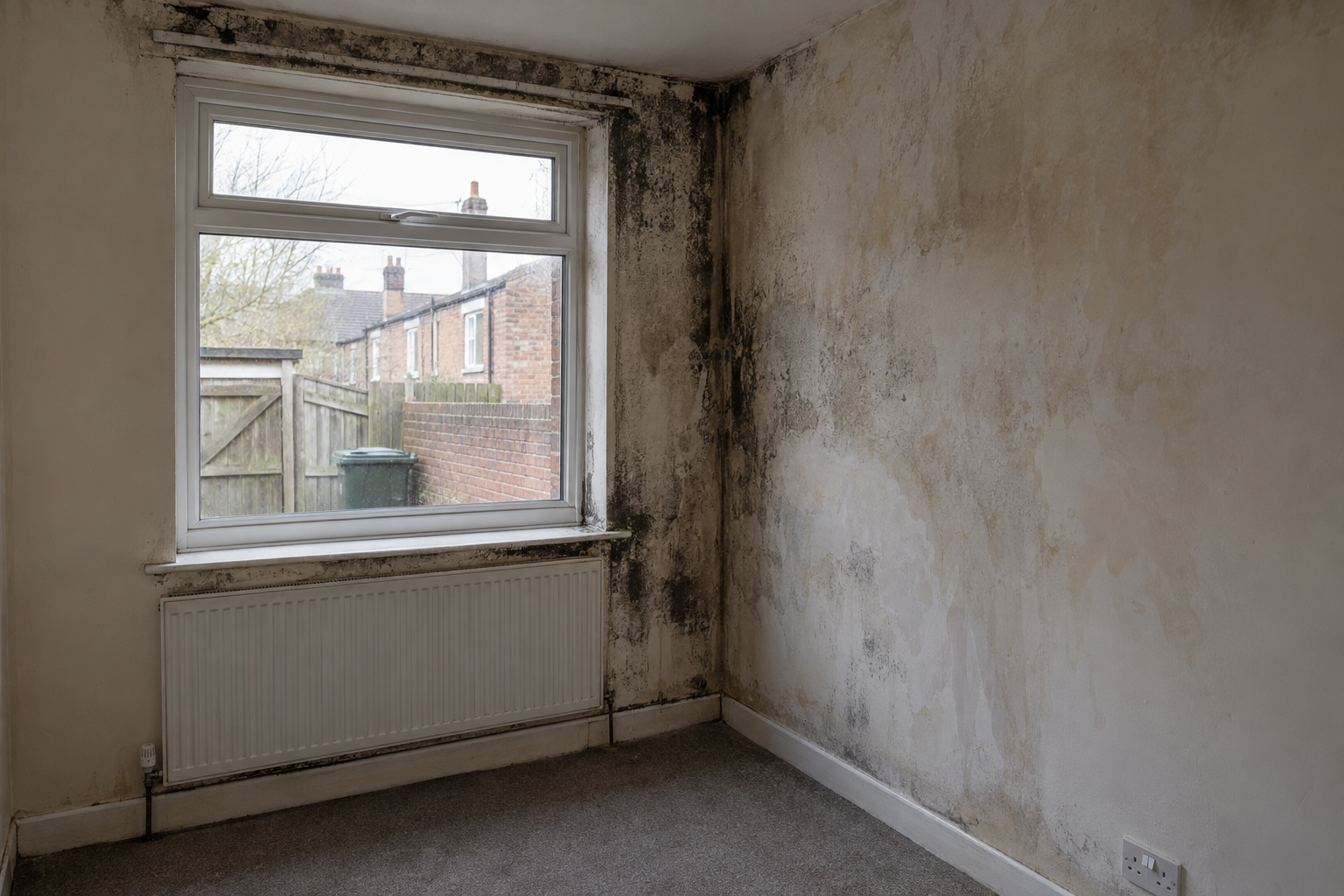
The government announcement describes reports of properties without heating or hot water, as well as homes lacking adaptations residents need. It also cites allegations that exploitative practices are stopping vulnerable people from receiving support to which they are entitled. These are concerns for the investigation to examine, rather than findings it has already established.
Housing benefit claims are another area of scrutiny. According to the government, reports include cases involving fictitious tenants used to claim benefit falsely, alongside providers failing to deliver support they had promised. The inquiry therefore extends beyond the physical condition of buildings to the services supplied to residents and the basis on which public funds are claimed.
Ministers selected Birmingham because they consider concerns about rogue provision to be most prevalent there. The government also said supported housing expenditure in the city had grown faster than the national average in recent years, although its announcement gives no spending totals or percentage comparison.
How the inquiry fits with supported housing regulation
The government says the investigation will sit alongside implementation of the Supported Housing (Regulatory Oversight) Act 2023. That programme includes a licensing regime, national standards and local strategies: the Birmingham inquiry is an additional examination of alleged failures, not a replacement for that regulatory work.
The wider housing sector also faces competing demands on resources. In its separate assessment of social housing risks and funding pressures, the Regulator of Social Housing warned that landlords in England must balance sustained investment in existing properties with pressure to build more homes. That assessment concerns social housing more broadly, rather than findings about Birmingham’s supported exempt accommodation.
The regulator’s separate social housing finance figures show that social landlords in England secured £4.3 billion of new finance between July and September 2026. Those figures provide a wider funding backdrop but are not a measure of supported housing expenditure or the money under examination in Birmingham.
Ministers raise concerns about residents and taxpayers
Rayner said the intervention followed representations from local MPs about the effects on communities. Her stated position is that individuals responsible for wrongdoing should be held accountable, while ministers consider whether changes to the system are needed to support good-quality accommodation centred on residents’ needs.
In her appointment letter to Sir David, Rayner distinguished the role of well-run supported housing in helping people live as independently as possible from reports that the system is being abused. She framed the inquiry around both the exploitation of vulnerable residents and the cost to taxpayers.
McFadden focused on the purpose of housing benefit and whether public spending is securing appropriate accommodation and support. He said the concerns included value for money and possible exploitation of tenants, and committed the government to act where wrongdoing is identified. The announcement does not set out findings against individual providers.
When will findings and licensing decisions follow?
The government has instructed Sir David to begin immediately and complete an eight-week investigation. Rayner’s appointment letter asks for a report in January 2027, with the announcement describing the first output as initial findings and recommendations to ministers.
Sir David will report directly to the housing and work and pensions secretaries, with findings shared in parallel with the First Secretary of State. Ministers expect Birmingham City Council to cooperate fully and said they would update the Best Value Commissioners about the investigation.
A separate consultation on draft supported housing licensing regulations closes in December 2026. The government expects implementation in 2027; that remains an expected timetable rather than a confirmed commencement date in this announcement. For providers, the immediate investigation and the developing licensing framework are therefore distinct processes, with recommendations from the inquiry still to come.
Timeline
24 November 2026
The government launches the Birmingham investigation and instructs Sir David Pearson to begin immediately.
December 2026
The consultation on draft supported housing licensing regulations is due to close.
January 2027
Sir David is due to report to ministers with initial findings and recommendations.
2027
The government expects implementation of the supported housing licensing regulations.
Questions and answers
- Why is the government investigating supported housing in Birmingham?
- The government cites reports of inadequate accommodation, exploitation of vulnerable residents, false housing benefit claims and promised support not being delivered. It says concerns about rogue provision are most prevalent in Birmingham.
- Who is leading the Birmingham supported housing investigation?
- Sir David Pearson, chair of the Supported Housing Advisory Panel and a social care expert, is leading the investigation. He will report directly to the housing and work and pensions secretaries.
- What will the supported housing investigation look at?
- The government says it will examine accommodation and support quality, the use of public money, and the effectiveness of oversight and regulation. It will identify failures and recommend action.
- When will the Birmingham investigation report?
- The eight-week investigation begins immediately following the 24 November 2026 announcement. Housing Secretary Angela Rayner’s appointment letter requests a report in January 2027.
- Could the investigation affect supported housing outside Birmingham?
- The government has asked Sir David Pearson to consider whether issues identified in Birmingham apply elsewhere in the country. No wider findings have yet been announced.
- When are supported housing licensing rules expected to start?
- The government expects implementation in 2027. Consultation on the draft licensing regulations closes in December 2026, but the investigation announcement does not specify a commencement date.
- Is Birmingham City Council involved in the investigation?
- Ministers expect Birmingham City Council to cooperate fully with the investigation. The government also says it will update the Best Value Commissioners about the intervention.
Why this matters
The investigation puts both residents’ living conditions and providers’ use of housing benefit under scrutiny. For supported housing landlords, its scope includes the support actually delivered as well as the accommodation itself, while ministers are separately developing licensing requirements and national standards. For vulnerable tenants and surrounding communities, the inquiry is intended to identify failures in accountability and recommend protections. Its potential significance extends beyond Birmingham because Sir David Pearson has been asked to consider whether the problems he identifies apply elsewhere.
Sources
This article is checked against its sources under our editorial policy. It is general information only and is not financial or mortgage advice. See our corrections policy to report an error.
Related coverage