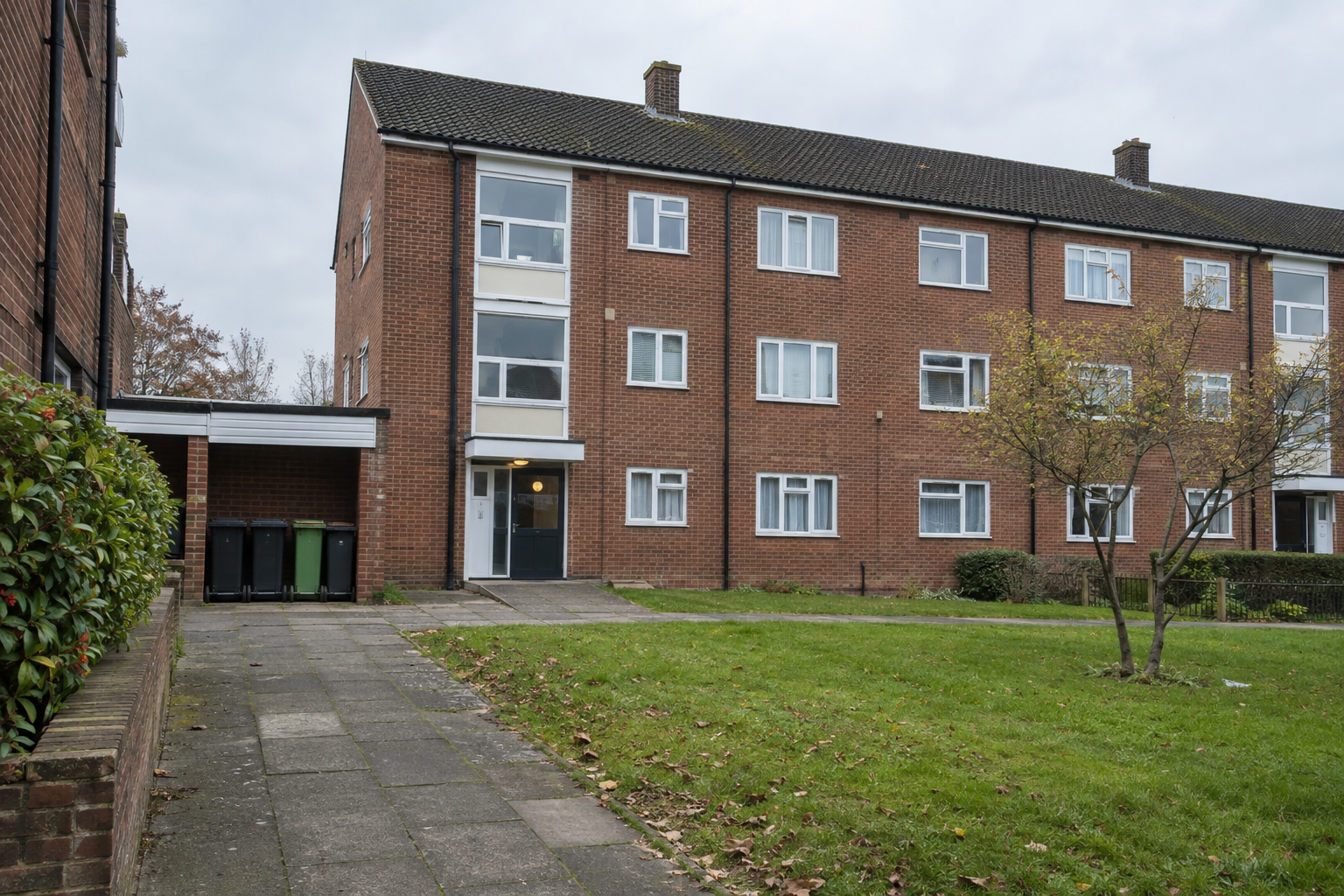
Awaab’s Law consultation sets out extension to private rented homes
The government is consulting on how to extend Awaab’s Law to private renters in England, with other accommodation also under consideration. The proposals would introduce legal deadlines for tackling dangerous housing conditions, but a commencement date has not been set.
 By Amara Okafor, Lettings and Buy-to-Let ReporterPublished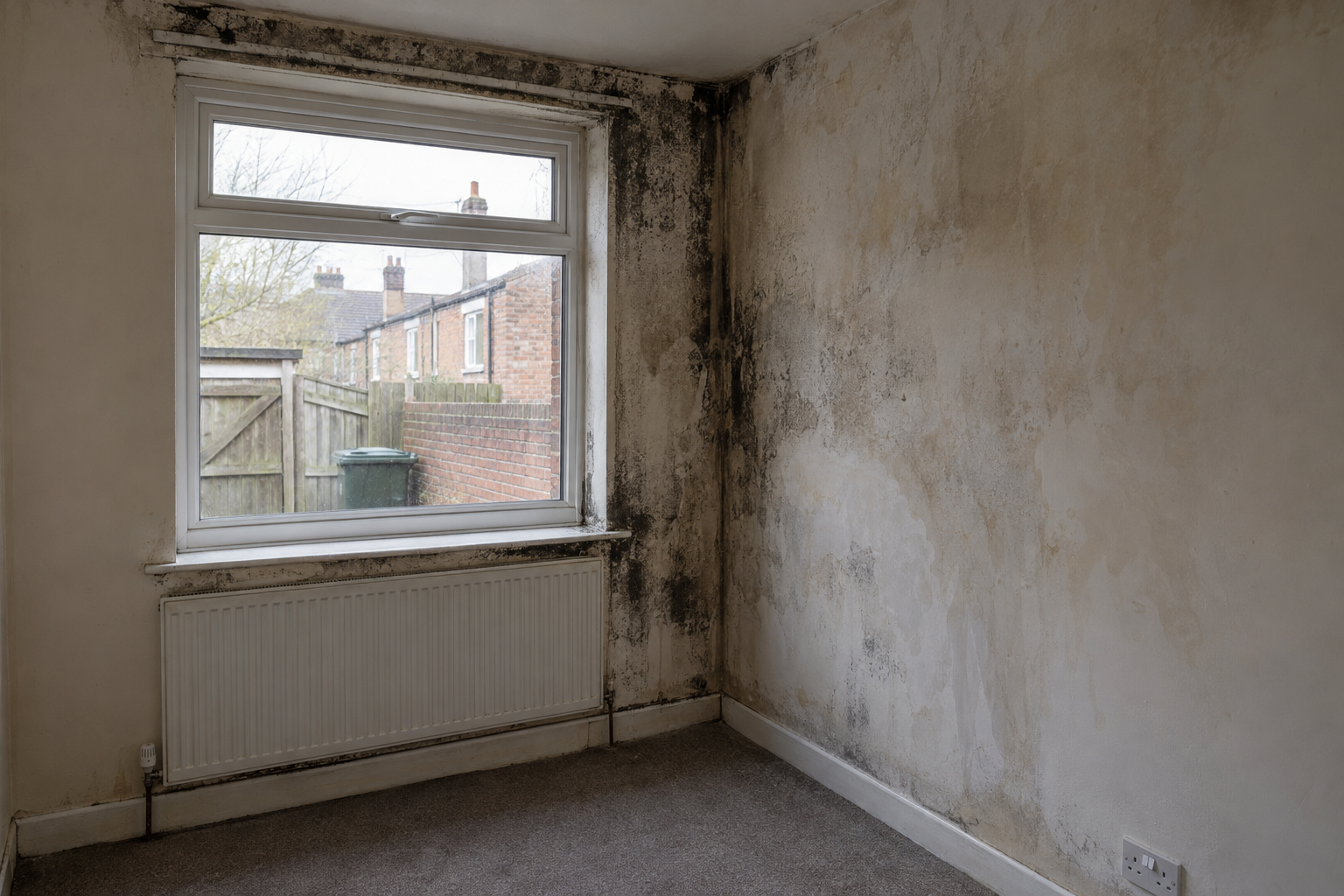
Key facts
- The Ministry of Housing, Communities and Local Government opened the Awaab’s Law consultation on 8 October 2026.
- The ministry estimates wider coverage could increase protected households from about 4 million to around 9 million.
- Around one in 10 private rented homes has a category 1 hazard, according to the ministry.
- The ministry says consultation responses will inform the private-sector start date; no commencement date is set in the announcement.
- The government’s consultation closes on 18 December 2026.
The Ministry of Housing, Communities and Local Government opened a consultation on 8 October 2026 on extending Awaab’s Law to private rented homes in England. The exercise will examine how legal repair deadlines should apply to private landlords and whether protections should cover additional accommodation, including housing for homeless families and care leavers.
The ministry estimates that extending the rules across the additional housing types could increase the number of households covered from about 4 million to around 9 million. That is a potential expansion, rather than a confirmed entitlement for every household in the accommodation being considered.
How would Awaab’s Law change private landlords’ repair duties?
According to the ministry, landlords already have to address significant hazards that seriously threaten tenants’ health and safety. The proposed extension would add legal timescales for dealing with dangerous conditions, making the speed of a landlord’s response an explicit part of the protection.
The department says around one in 10 private rented homes has a category 1 hazard, the most serious classification. These hazards already require action from landlords, so the consultation is not proposing that responsibility for unsafe conditions should begin only when the new deadlines take effect.
The ministry also says the Renters’ Rights Act recently introduced fines of up to £7,000 where these serious dangers are found. It presents Awaab’s Law as an additional requirement for prompt repairs, alongside the enforcement risks landlords already face over the worst housing conditions.
For buy-to-let owners, the distinction is between an existing obligation to tackle hazards and the proposed introduction of specified response periods. The announcement does not set out the final private-sector repair deadlines, so it does not establish how many days landlords would have to investigate or resolve particular problems.
Beyond ordinary private tenancies, the consultation considers temporary accommodation used by homeless people and families, accommodation for young people leaving care, and supported housing. The ministry notes that supported housing is home to many older, disabled and other vulnerable people; the question of which additional accommodation should be covered remains part of the consultation.
Why the rules began in social housing
Awaab’s Law is named after two-year-old Awaab Ishak, who died in 2020 following prolonged exposure to dangerous damp and mould, according to the government. The legislation introduced enforceable repair timescales in social housing before the proposed move into private renting.
The ministry says the social housing rollout has three phases. The first took effect on 31 October 2025 and introduced protections requiring rapid action on severe damp and mould.
A second social housing phase is due to take effect on 30 November 2026, subject to parliamentary approval. According to the department, it would bring further serious hazards within the protections, including electrical dangers and excess cold. That timetable applies to social housing and should not be read as the start date for private landlords’ new duties.
The government identifies extending Awaab’s Law as a commitment in both the Renters’ Rights Act and the National Plan to End Homelessness. Its consideration of accommodation beyond conventional rented homes therefore sits alongside the planned private-sector extension, rather than being confined to standard buy-to-let properties.
The consultation also follows other private renting changes introduced through the Renters’ Rights Act in 2026. The ministry says eviction without a reason is now unlawful and tenants can challenge above-market rent increases in court. It argues that these changes give tenants greater scope to report problems without fearing repercussions.
Tenant organisations welcome wider protection
Housing Minister Matthew Pennycook said the government wanted England’s 11 million private renters to receive the protections already being introduced for social tenants. He framed safe housing and a timely response to complaints as rights that should not depend on whether a person rents privately or from a social landlord.
Generation Rent chief executive Holly Williamson welcomed progress but called for implementation as soon as possible. In the government’s announcement, she said too many renters were living in conditions damaging to their health and waiting months for landlords to respond.
Crisis supported both stronger private-sector requirements and the consideration of other accommodation. Its director of policy and social change, Francesca Albanese, said the charity directly supported homeless people living in unsuitable temporary accommodation, including hostels and bed-and-breakfast accommodation affected by damp and mould. For Crisis, the proposals concern conditions during the wait for a settled home as well as those in longer-term tenancies.
Renters’ Reform Coalition director Clara Collingwood also welcomed the consultation. She stressed the urgency of addressing homes that endanger health or life, arguing that protection should apply regardless of whether the landlord is a council or a private owner.
Independent Age said 96% of the older renters it had polled supported Awaab’s Law. Its director of policy and influencing, Morgan Vine, reported that some older tenants described rats beneath floors and mould on walls but feared the consequences of requesting repairs. The charity wants implementation to account for the needs of tenants of all ages.
Become, the charity for children in care and young care leavers, welcomed the examination of accommodation available to people leaving care. Chief executive Anela Anwar said too many had experienced unsuitable or unsafe housing, including disrepair and mould, and linked better conditions to a stable transition into adulthood.
When could private rented housing come under the rules?
The consultation closes on 18 December 2026. The ministry says responses will inform how Awaab’s Law is implemented in the private rented sector, including the timetable for bringing the protections into force.
The private-sector commencement date therefore remains unsettled in this announcement. The confirmed next stage is consultation on implementation and wider coverage, not the immediate application of the social housing timetable to private landlords.
Timeline
2020
Two-year-old Awaab Ishak died after prolonged exposure to dangerous damp and mould, according to the government.
31 October 2025
The first social housing phase of Awaab’s Law took effect, covering severe damp and mould.
8 October 2026
The government announced its consultation on private-sector implementation and possible wider accommodation coverage.
30 November 2026
The second social housing phase is due to begin, subject to parliamentary approval.
18 December 2026
The consultation on extending Awaab’s Law is scheduled to close.
Questions and answers
- What is Awaab’s Law?
- Awaab’s Law introduces legal deadlines for landlords to tackle dangerous housing conditions. According to the government, its first social housing phase began on 31 October 2025, covering severe damp and mould.
- Does Awaab’s Law apply to private landlords yet?
- The government’s 8 October 2026 announcement concerns a consultation on private-sector implementation. It does not set a commencement date for private landlords, who already have duties to address serious hazards.
- What repair deadlines will private landlords face?
- The announcement does not specify final private-sector repair deadlines. The Ministry of Housing, Communities and Local Government says the consultation will inform how the protections are implemented.
- When does the Awaab’s Law consultation close?
- The government’s consultation closes on 18 December 2026. Responses will help inform private-sector implementation, including when the new protections take effect.
- Could Awaab’s Law cover temporary accommodation?
- Yes. The government is considering coverage for temporary accommodation used by homeless people and families, alongside accommodation for care leavers and supported housing. That wider coverage is not confirmed by the announcement.
- How many homes could the extension protect?
- The ministry estimates that extending Awaab’s Law across the additional housing types could increase the number of protected households from about 4 million to around 9 million.
- What changes in social housing in November 2026?
- Subject to parliamentary approval, the second social housing phase is due on 30 November 2026. The ministry says it will extend protection to further serious hazards, including electrical dangers and excess cold.
Why this matters
For private landlords, the proposed extension would add legal repair timescales to existing responsibilities for dangerous housing conditions. For tenants, it would make the speed of a response part of the protection, rather than simply requiring a hazard to be addressed. The ministry’s estimate that around one in 10 private rented homes has a category 1 hazard shows the scale of the conditions at issue. However, the private-sector deadlines, commencement timetable and coverage of additional accommodation remain matters for the consultation rather than settled requirements.
Sources
This article is checked against its sources under our editorial policy. It is general information only and is not financial or mortgage advice. See our corrections policy to report an error.