English Housing Survey: 2025–26 household findings published
The government has listed new English Housing Survey findings on demographics and household resilience for 2025–26. The release sits within a wider programme examining housing circumstances, property condition and energy efficiency in England.
 By James Fenwick, Housing Policy ReporterPublished
Key facts
- The ministry lists 2025–26 English Housing Survey household findings dated 26 November 2026.
- The ministry published the 2025–26 questionnaire and physical survey form on 26 November 2026.
- The ministry’s survey has two components: household interviews and physical inspections of a subsample of homes.
- The ministry lists 2024–25 housing quality and energy efficiency findings dated 29 January 2026.
- The ministry updates the survey’s live tables annually and makes datasets available through the UK Data Service.
The Ministry of Housing, Communities and Local Government published a new English Housing Survey collection covering 2025–26 demographics and household resilience in England on 26 November 2026. The release is listed on the department’s main survey page, which was updated on the same date.
The department also published the questionnaire and physical survey form for the 2025–26 survey year. These provide the survey materials alongside the findings collection, allowing users to examine how information is gathered.
What does the new English Housing Survey release cover?
The ministry identifies the latest findings as covering demographics and household resilience. Its main collection page does not reproduce the statistical results, so the listing itself does not establish whether particular groups’ housing circumstances have improved or deteriorated.
Housing quality and energy efficiency have a separate publication strand. For the preceding 2024–25 survey year, the department lists demographic and household resilience findings dated 4 December 2025, followed by housing quality and energy efficiency findings dated 29 January 2026. The new listing should therefore not be read as a release of every part of the survey programme.
According to the ministry, the English Housing Survey is a continuous national survey covering both people’s housing circumstances and the homes they occupy. Its geographical scope is England, rather than the whole of the United Kingdom.
How the survey builds its picture of England’s homes
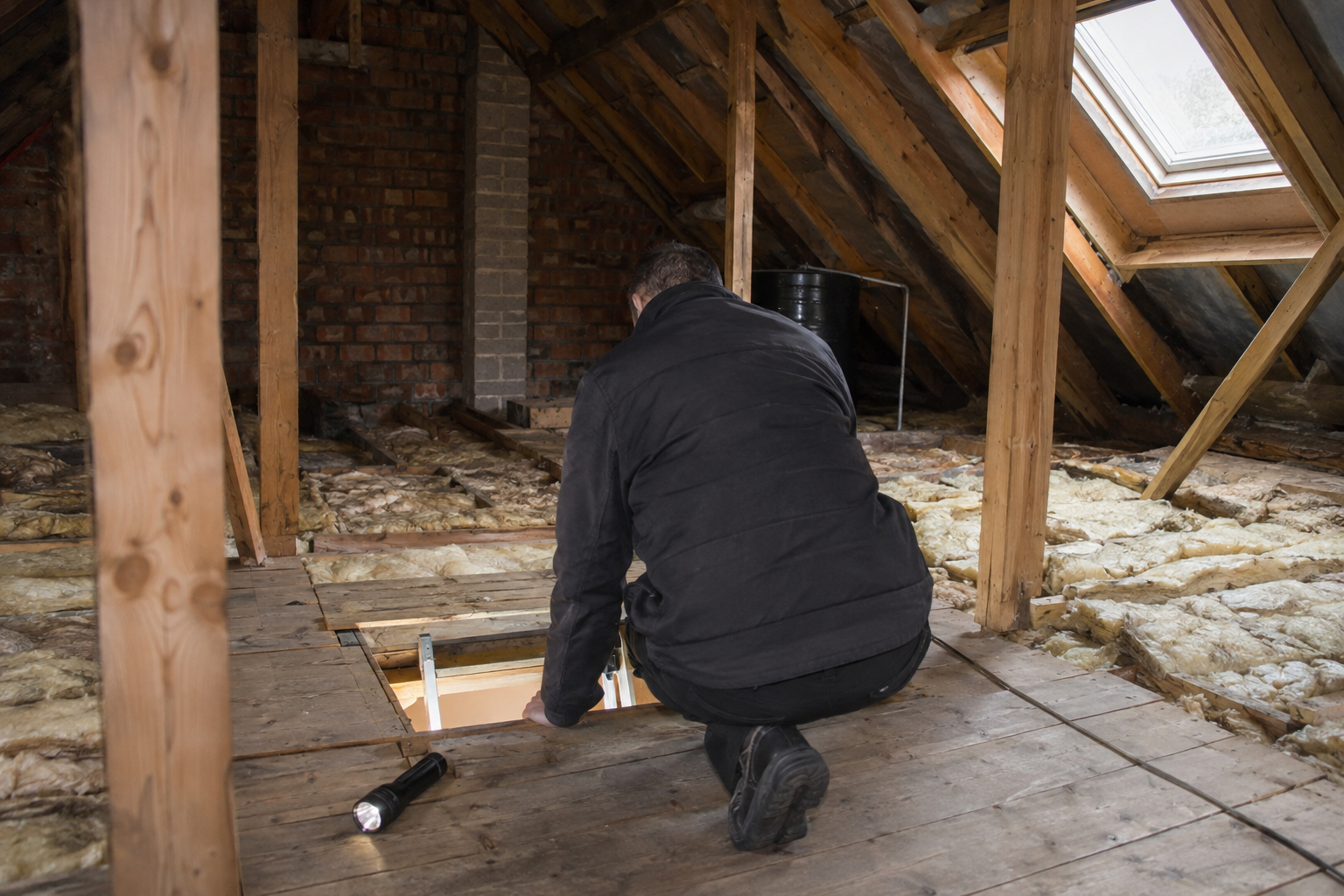
The ministry says the survey combines household interviews with physical inspections of a subset of properties. This gives the programme two distinct sources of evidence: information collected from households and an examination of housing condition.
Each year, addresses are selected randomly from Royal Mail’s list of private addresses, according to the department. Households chosen for the sample receive an introductory letter from NatCen Social Research, the survey contractor, inviting them to participate.
The programme has a long history. The ministry marked the first national housing survey’s 50th anniversary in 2017 by publishing a comparison between the 1967 survey and the English Housing Survey in 2017.
Its recent detailed publications illustrate the breadth of subjects covered. The department’s 2024–25 series includes reports or factsheets on age groups and home insulation dated 14 May 2026, followed on 9 July by material on housing quality perceptions, weather resilience, housing and place, homelessness and shared ownership.
The ministry also lists a private rented sector overview, described as covering the period before the Renters’ Rights Act, dated 30 September 2026. That title identifies the report’s historical context; it should not be treated as evidence of the Act’s subsequent effects.
Separate evidence on housing comes from the Regulator of Social Housing. Its 2025–26 tenant satisfaction figures put reported satisfaction in England at 74%, providing a sector-specific measure rather than the English Housing Survey’s broader examination of household circumstances.
The regulator has also reported growth in social housing stock alongside a decline in social rent homes. Its figures show around 36,000 additional homes overall among England’s registered social landlords, a distinct stock measure from the survey’s household interviews and property inspections.
What the ministry says about using the evidence
The ministry says it wants to understand how people use its housing statistics and which decisions the data inform. It identifies that feedback as part of providing a service that meets users’ needs.
For those examining the evidence in detail, the department provides a survey user guide covering methodology, data quality, revisions and dissemination. It also makes datasets available through the UK Data Service for secondary analysis, extending access beyond the published reports.
What further survey publications are expected?
The ministry describes its usual publication cycle as initial headline results followed by more detailed reports in the summer. However, the supplied collection listing gives no specific date for the next 2025–26 release, so that general timetable is not a confirmed publication appointment.
The department also maintains live tables, updated annually, containing detailed time series on household circumstances, housing condition and energy efficiency. These supplement the annual reports and provide the programme’s route for examining changes over time.
Timeline
4 December 2025
The ministry lists the 2024–25 headline findings on demographics and household resilience.
29 January 2026
The ministry lists the 2024–25 headline findings on housing quality and energy efficiency.
30 September 2026
The ministry lists its 2024–25 private rented sector overview covering the period before the Renters’ Rights Act.
26 November 2026
The ministry lists 2025–26 household findings and survey forms, and updates the main collection page.
Questions and answers
- What are the latest English Housing Survey findings?
- The ministry’s collection page lists 2025–26 headline findings on demographics and household resilience dated 26 November 2026. The page does not reproduce the underlying statistical results.
- Does the English Housing Survey cover the whole UK?
- No. According to the Ministry of Housing, Communities and Local Government, the English Housing Survey covers housing circumstances, property condition and energy efficiency in England.
- How is the English Housing Survey carried out?
- The ministry says the survey combines household interviews with physical inspections of a subsample of properties. These are separate components of the continuous survey programme.
- How are households chosen for the English Housing Survey?
- The ministry says a random sample is drawn each year from Royal Mail’s list of private addresses. Selected households receive an initial letter from the contractor, NatCen Social Research.
- Does the latest release include housing energy efficiency findings?
- The 26 November 2026 findings listing concerns demographics and household resilience. The ministry separately lists 2024–25 housing quality and energy efficiency findings dated 29 January 2026.
- When will more 2025–26 English Housing Survey reports be published?
- The ministry describes a usual cycle of headline results followed by detailed summer reports. The supplied collection listing does not confirm a specific date for the next 2025–26 publication.
- Where are English Housing Survey datasets available?
- The ministry makes English Housing Survey datasets available through the UK Data Service for secondary analysis. It also publishes annually updated live tables containing detailed time series.
Why this matters
The English Housing Survey brings household circumstances and the physical condition of homes into the same evidence programme. For homeowners, renters and landlords, its scope extends beyond property prices to how people live and the condition and energy efficiency of their housing. The distinction between publication strands matters: the new 2025–26 listing concerns demographics and household resilience, while housing quality has a separate strand. The collection notice alone cannot substantiate claims about changing affordability or the experiences of particular groups.
Sources
This article is checked against its sources under our editorial policy. It is general information only and is not financial or mortgage advice. See our corrections policy to report an error.
Related coverage